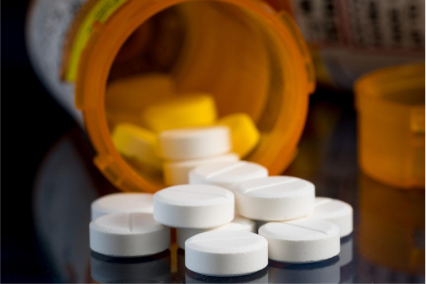
Hydrocodone is a commonly prescribed opioid in the United States. It is used to relieve pain from conditions like cancer, arthritis, and long-lasting coughs.
While commonly recognized as Vicodin, this medication combines hydrocodone with acetaminophen. Various brands incorporate this combination, including Lortab, Norco, and Lorcet.
These hydrocodone-containing products have a significant potential for misuse. The DEA downgraded these substances from Schedule III to Schedule II in 2014. Drugs in this classification possess medical applications but also present a risk of addiction and mental health complications.
Hydrocodone stays in the body for a long time. Healthcare providers can find small amounts in saliva, hair, blood, or urine.
The hydrocodone addiction treatment centers at We Level Up can assist you or someone you know. Get help for your addiction and learn about our expert-approved programs by calling our toll-free helpline.
How Long Does Hydrocodone Stay in Urine?
Hydrocodone, a potent opioid prescribed for moderate to severe pain relief, carries the risk of misuse and addiction. Particularly in the days leading up to a drug test, knowing how long it stays in your urine is critical.
Several factors, including dosage, frequency of consumption, and individual body chemistry, affect the duration that hydrocodone is detectable in urine. In most cases, it remains traceable for a maximum of four days following the final dose.
For some people, hydrocodone may stay in the system for more than four days. This is especially true for those taking larger doses or using the drug for a long time. Long-term users may have built up traces, which makes the typical detection window longer.
Being honest regarding the use of hydrocodone helps during drug testing. To make sure you manage your pain effectively and stay on top of your test prep, talk to your doctor.
What Affects the Duration of Hydrocodone in Urine?
Dosage
Individuals receive dosages based on physical attributes like height, weight, and body fat, resulting in varying doses. Higher doses take longer to metabolize, prolonging hydrocodone’s presence in the system.
Genetics
The body’s enzymes, particularly CYP450 and UDP-glucuronosyltransferases, differ among individuals due to genetic makeup, influencing drug metabolism and duration in the body.
Long-Term Use
Using hydrocodone for months or years makes it take longer for the drug to leave your system. This happens because of pharmacodynamic tolerance. Increased drug intake can lead to decreased sensitivity to its effects and a more extended stay in the system.
Frequency of Intake
Different formulations of hydrocodone, like extended-release capsules taken every 12 or 24 hours, affect elimination time. The 24-hour tablet takes longer for the body to eliminate.
Other Kinds of Drug Tests That Detect Hydrocodone
Hair Testing
Hair follicle tests are challenging for individuals trying to anticipate drug tests. Unlike urine tests that detect substances for a few days at most, hair follicle tests can reveal drug use for months. Hydrocodone, for instance, might register on a hair test for up to 90 days post the last dose. It’s important to know that substances can take one to two weeks to show up on this test. This often means using a different testing method for quick results.
Blood Testing
Blood tests, considered more precise than urine tests, are utilized to verify a positive urine test, preventing false positives. Hydrocodone remains detectable in blood for approximately 24 hours after the final dose. Blood tests are less common in workplace drug screenings because they are invasive and expensive. They are more often used in legal and forensic settings, but workplace blood tests can still happen.
Saliva Testing
Saliva tests are non-invasive and relatively simple to conduct. They can reveal hydrocodone in saliva for 2 to 3 days after ingestion. Often, they are used as an alternative to urine tests or in-field tests conducted by law enforcement officers.

Skip To:
Learn More:
- What is Norco? Norco Drug For Severe Pain Information
- Is Oxycodone Addictive
- What Is Oxycodone?
- Oxycodone Side Effects
- Opiate Withdrawal
- Opioid Withdrawal Timeline
- Opioid Withdrawal Symptoms
- Tramadol vs Oxycodone: Which is Better? Side Effect Comparison
- Oxycodone Dosage Guide, Precautions, and Max Dose
- Oxycodone Vs Oxycontin. Differences & Similarities, Abuse & Treatment Options
How long does hydrocodone stay in your urine chart by test?
Here is a chart summarizing the detection timelines for hydrocodone in urine across different test types:
| Test Type | Typical Detection Window After Last Use | Notes on Detection Timeline |
|---|---|---|
| Immunoassay (Screening) | Up to 24-36 hours | Fast, qualitative screening; may miss low levels; cutoff-dependent |
| GC/MS or LC/MS (Confirmatory) | Up to 48-72 hours | Most sensitive and specific; detects parent drug and metabolites longer |
| Metabolite-Specific Testing | Up to 72 hours or more | Detects hydrocodone metabolites, extending the detection window |
| Cutoff-based Immunoassay | 5-36 hours depending on the cutoff level | Lower cutoff (50 ng/mL) extends detection up to ~28 hours; higher cutoff shortens the window |
| FDA-Approved Qualitative Tests | Generally up to 24-48 hours | Accuracy varies by kit, but is similar to immunoassay screening |
This timeline shows common reference points from trusted government and medical sources. Individual factors like metabolism, dosage, and hydration can affect how long substances are detected.
How long does hydrocodone stay in urine test types
Here is a chart that shows the different test types for finding Hydrocodone in urine and other samples. It includes their effectiveness, usage, and links to trusted government studies for each test
| Test Type + Authoritative Study | Description & Effectiveness | Most Effective/Used? |
|---|---|---|
| Immunoassay (Screening) | Rapid, qualitative; detects hydrocodone and metabolites in urine. May miss low concentrations and some synthetic/semi-synthetic opioids. Used as initial screen, widely available, cost-effective, but can produce false negatives for hydrocodone – asam. | Rapid, qualitative; detects hydrocodone and metabolites in urine. May miss low concentrations and some synthetic/semi-synthetic opioids. Used as an initial screen, widely available, cost-effective, but can produce false negatives for hydrocodone – asam. |
| GC/MS or LC/MS (Confirmatory) | Gas chromatography-mass spectrometry (GC/MS) or liquid chromatography-mass spectrometry (LC/MS) provides high sensitivity and specificity. Detects hydrocodone and metabolites in urine, even at lower concentrations and distinguishes drugs/metabolites accurately. Considered the gold standard; required after immunoassay – va. | Most accurate and authoritative. Used for confirmation and legal/clinical reliability. |
| Metabolite-Specific Testing | Focuses on hydrocodone metabolites (e.g., norhydrocodone, hydromorphone, dihydrocodeine) in hydrolyzed urine to distinguish use patterns and improve detection window. Hydrolyzed urine extends detectability; highly recommended for comprehensive screening purposes – samhsa. | Most effective for prolonged detection and forensic/clinical accuracy. |
| Cutoff-based Immunoassay | Uses different cutoff levels for detection (e.g., 50 ng/mL, 2000 ng/mL). Lower cutoffs (50–100 ng/mL) extend the detection window up to ~28 hours, higher cutoffs shorten window to under 5 hours – samhsa. | Effective when combined with confirmatory testing and low cutoff thresholds. |
| FDA-Approved Qualitative Tests | Commercial urine kits (with qualitative or semi-quantitative results) tested by FDA for accuracy across variable urine conditions (pH/specific gravity). Must meet performance standards for interference and reliability – accessdata.fda. | Widely used for routine screening; accuracy varies by kit, confirm with GC/MS. |
Most Effective and Widely Used Hydrocodone in Urine Test
- GC/MS (Gas Chromatography-Mass Spectrometry) is considered the most effective and authoritative for hydrocodone detection in urine. Used for legal, workplace, and clinical confirmation, this method is very accurate. It can detect specific metabolites well. This is especially important when initial immunoassay screens give false negatives or need clarification.samhsa+2
- Immunoassay screening is quick, cheap, and often used as a first step. However, it always needs confirmation by GC/MS or LC/MS for valid results in forensic and clinical settings.
These authoritative studies reflect current best practices for hydrocodone urine testing, including detection time variations and accuracy.
Get Help. Get Better. Get Your Life Back.
Searching for Accredited Drug and Alcohol Rehab Centers Near You? We Level Up Texas Is Ready To Help!
Even if you have failed previously and relapsed, or are in the middle of a difficult crisis, we stand ready to support you. Our trusted behavioral health specialists will not give up on you. When you feel ready or just want someone to speak to about therapy alternatives to change your life call us. Even if we cannot assist you, we will lead you to wherever you can get support. There is no obligation. Call our network hotline today.
FREE Addiction Hotline – Call 24/7
Warnings For Hydrocodone Addiction and Abuse
When Hydrocodone is Abused via Snorting
Abusing Hydrocodone by snorting it can exacerbate the risk of overdose due to its rapid absorption and intensified effects. Crushing and inhaling Hydrocodone pills can lead to nasal cavity damage and, in severe cases, loss of smell. This form of drug abuse often leads to frequent nosebleeds, congestion, and recurring sinus infections. Long-term snorting may result in hoarseness and, in severe scenarios, a deviated septum.
Complications of Injecting Hydrocodone
Crushing Hydrocodone pills, mixing them with liquid, and injecting the substance significantly increases the risk of overdose. Injecting the drug causes a quick and potent high as it promptly enters the bloodstream. This method of drug administration comes with various hazards.
People who use injection drugs may get infections at the injection site or nearby tissue. Repeated use of needles can also cause veins to collapse. Moreover, sharing unsterile needles and equipment can increase the risk of contracting blood-borne illnesses like HIV or hepatitis.
Tolerance and Addiction Development with Hydrocodone
Progressive Hydrocodone use leads to tolerance, where higher doses are required to achieve previously felt effects. Tolerance is quickly followed by physical dependence, often culminating in addiction.
Upon discontinuing or reducing Hydrocodone use, withdrawal symptoms emerge. These symptoms are similar to those of other opioids. They include muscle cramps, nausea, vomiting, and diarrhea. Other symptoms are constipation, anxiety, drug cravings, and fatigue. You may also experience excessive yawning, bone pain, and dilated pupils. Restlessness, agitation, loss of appetite, and depression can occur, too.
Get Help. Get Better. Get Your Life Back.
Searching for Accredited Drug and Alcohol Rehab Centers Near You? We Level Up Texas Is Ready To Help!
Even if you have failed previously and relapsed, or are in the middle of a difficult crisis, we stand ready to support you. Our trusted behavioral health specialists will not give up on you. When you feel ready or just want someone to speak to about therapy alternatives to change your life call us. Even if we cannot assist you, we will lead you to wherever you can get support. There is no obligation. Call our network hotline today.
FREE Addiction Hotline – Call 24/7When Is Hydrocodone Addiction Counseling Necessary?
Hydrocodone addiction counseling becomes necessary as drug usage intensifies or when an individual requires higher doses to achieve the same effects. There isn’t a fixed timeframe because each person’s experience with problematic usage varies.
Seeking counseling doesn’t mandate a person to be addicted. Initiating counseling sessions at the early signs of misuse could prevent more severe outcomes. These indicators might involve exceeding the prescribed hydrocodone duration or attempting to obtain additional prescriptions by changing doctors or pharmacies.
At times, individuals may be hesitant to acknowledge their problems. The CDC emphasizes the importance of a robust support network. Everyone can help someone recover from hydrocodone addiction. We can encourage them to seek counseling and support them during treatment.
In summary, counseling is crucial as a preventive measure when hydrocodone misuse begins, reducing the likelihood of addiction. It’s a key part of treatment. It helps patients improve their mental health and deal with triggers that lead to risky behaviors, like substance abuse.
How Do You Beat Hydrocodone Addiction?
Successfully overcoming hydrocodone addiction necessitates appropriate treatment and expert assistance. Some people might think they can handle opioid addiction alone. However, these addictions are serious and need professional help, especially to manage withdrawal symptoms.
Aside from professional care, overcoming hydrocodone addiction relies on a robust support system. Those battling this addiction require support from family and friends throughout the recovery journey. Encouragement for seeking help should be provided in a supportive and nonjudgmental manner.
Every individual’s journey through addiction recovery is unique, so it’s crucial not to compare experiences. Finding diversions to divert attention from drug cravings is vital. These diversions can vary widely but should not be detrimental. Positive distractions might involve chatting with friends, reading, writing, or walking.
An essential aspect of overcoming hydrocodone addiction is steering clear of substituting addictive behaviors. It is not a good idea to switch from hydrocodone to another drug or activity that is also addictive. This would keep the cycle of addiction going with a different substance. Counseling sessions play a critical role, especially for individuals grappling with anxiety, depression, or other mental health issues.
Maintaining structure in life proves beneficial as it keeps individuals focused and aids in adopting healthier habits. Such a structure involves maintaining regular sleep patterns, exercising, and following a nutritious diet.
Start a New Life
Begin with a free call to an addiction & behavioral health treatment advisor. Learn more about our dual-diagnosis programs. The We Level Up treatment center network delivers recovery programs that vary by each treatment facility. Call to learn more.
- Personalized Care
- Caring Accountable Staff
- World-class Amenities
- Licensed & Accredited
- Renowned w/ 100s 5-Star Reviews
We’ll Call You
Hydrocodone Medication-Related Statistics
Despite declining prescription rates, opioid overdose deaths remain a significant public health concern. Many deaths from opioids are due to misusing prescription opioids or illegal drugs like heroin and fentanyl. Unfortunately, Hydrocodone hydrocodone is included in the problem.
We need better access to evidence-based treatments for opioid use disorder. This includes medication-assisted treatment (MAT) and behavioral therapies. These steps are important to tackle the addiction crisis effectively.
If you or someone you care about is showing signs of Narco addiction? Rely on We Level Up’s expert Narco addiction treatment specialists to address your concerns and provide reliable support. Our Narco rehab center offers immediate assistance for Narco addiction. We are available 24/7 to help Narco addicts and their families. Don’t hesitate. Call now for relief from Narco addiction symptoms.
1.6 Million
About 1.6 million people in the US had opioid use disorder in 2019. This means they were diagnosed with an addiction to opioids.
Source: NCBI
70%
In 2020, over 69,000 drug overdose deaths occurred in the US, and approximately 70% involved opioids.
Source: CDC
18%
In 2019, only about 18% of people with opioid use disorder received specialty treatment for their addiction.
Source: NSDUH
How Do You Remove Hydrocodone From Urine?
Removing hydrocodone from your system isn’t something you can rush or speed up once it’s entered your body. This drug undergoes breakdown by specific enzymes produced in your liver. This natural process of metabolism takes time, sometimes stretching across several days.
Feeling concerned about failing a hydrocodone drug test might signal a developing issue with the medication. Even though hydrocodone is a prescription drug, addiction concerns can emerge. Instead of abruptly stopping hydrocodone, which often triggers unpleasant withdrawal symptoms, consider seeking medical detox to reduce your dependence on the drug gradually. Following this, inpatient or outpatient rehabilitation programs could offer further assistance.
Hydrocodone Addiction Treatment
Upon completing detox, individuals may undergo various therapies and treatments as part of an extensive treatment plan. Rehab after detox is crucial for addressing underlying addiction causes. Rehab occurs in different settings:
- Residential or Inpatient Rehab: This involves residing onsite throughout treatment, receiving constant care, and participating in diverse therapies. Suited for severe addiction cases or those lacking supportive home environments.
- Outpatient Rehab: Requires traveling to the facility for treatment and returning home afterward. Suitable for individuals with supportive environments and reliable transportation.
Ongoing medication maintenance is integral for maintaining sobriety and averting relapse. Medications like methadone, buprenorphine, or naltrexone may be part of this maintenance. Naltrexone, functioning as an opioid antagonist, blocks opioid effects, preventing highs if opioids are used again.
Treatment for opioid use disorder encompasses diverse therapies and supports:
- Counseling: Addresses addiction-related issues.
- Behavioral Therapies: Cognitive-behavioral therapy (CBT), contingency management (CM), or motivational interviewing foster positive behavioral changes.
- Family Therapy: Repairs relationships affected by addiction.
- Vocational Training: Assists in employment post-rehab.
- Case Management: Provides assistance with social services, including access to basic needs and legal aid. This support lets individuals focus on recovery.
Aftercare is essential for ongoing recovery. After treatment, it helps to join individual counseling or mindfulness-based relapse prevention (MBRP). You can also attend support groups like Narcotics Anonymous (NA). Using recovery apps and having checkups with treatment providers are good options, too.
Comprehensive treatment should address substance use and associated medical, psychological, social, vocational, and legal issues, tailored to individual needs.
Why Choose Level Up Treatment Center?
At Level Up Treatment Center, our caring team is here to help you at every step of your recovery. We prioritize your well-being and provide a nurturing environment conducive to healing and growth.
Take the first step towards recovery today. Contact us to begin your journey to a drug-free life. You don’t have to face addiction alone—we are here to help you reclaim control and achieve lasting sobriety.
Start a New Life
Begin with a free call to an addiction & behavioral health treatment advisor. Learn more about our dual-diagnosis programs. The We Level Up treatment center network delivers recovery programs that vary by each treatment facility. Call to learn more.
- Personalized Care
- Caring Accountable Staff
- World-class Amenities
- Licensed & Accredited
- Renowned w/ 100s 5-Star Reviews
We’ll Call You
How Long Do Opiates Stay in Your System?
Search We Level Up TX How Long Does Hydrocodone Stay in Urine? Topics & Resources
Resources
Understanding how long hydrocodone stays in urine is essential for pain management, medication compliance, and drug testing awareness. The detection window varies based on metabolism, dosage, and test type. Here are some resources from We Level Up Texas. They explore hydrocodone addiction, compare opioids, and discuss withdrawal symptoms and detox treatment.
Related Resource Links
- Hydrocodone addiction – Learn the dangers, symptoms, and available treatment options for hydrocodone misuse.
- Vicodin vs Norco – Compare these two hydrocodone–acetaminophen medications, their similarities, differences, and potential risks.
- Percocet vs Hydrocodone – Understand how hydrocodone compares with oxycodone-based Percocet in terms of strength, side effects, and misuse risk.
- Tramadol vs Hydrocodone – Review differences between tramadol and hydrocodone for pain relief, safety, and addictive potential.
- Tramadol withdrawal – Explore withdrawal symptoms, timelines, and treatment options for tramadol and how they compare to other opioids.
- Fentanyl detox – Discover the detox process, withdrawal symptoms, and treatment strategies for fentanyl, a stronger opioid often compared to hydrocodone.
- How long does Klonopin stay in your system – Learn about detection windows for benzodiazepines like Klonopin, providing insight into drug testing timelines.
These related resources build on the topic of how long hydrocodone stays in urine by offering:
- Insights into hydrocodone addiction and treatment
- Comparisons with other opioids like Vicodin, Norco, Percocet, and tramadol
- Guidance on withdrawal symptoms and detox treatments for opioids
- Broader context on drug detection windows across different substances
Related topics: hydrocodone addiction, opioid withdrawal symptoms, Vicodin vs Norco, Percocet vs Hydrocodone, tramadol vs hydrocodone, fentanyl detox, drug detection window, urine drug test timeline.
Sources
[1] What is Hydrocodone? Habibi M, Kim PY. Hydrocodone and Acetaminophen. [Updated 2022 Dec 19]. In: StatPearls [Internet]. Treasure Island (FL): StatPearls Publishing; 2023 Jan-. Available from: https://www.ncbi.nlm.nih.gov/books/NBK538530/ How long does hydrocodone stay in urine, how long does hydrocodone stay in your urine, how long do hydrocodone stay in your urine, hydrocodone in urine test – Related Articles
[2] Cofano S, Yellon R. Hydrocodone. [Updated 2022 Oct 24]. In: StatPearls [Internet]. Treasure Island (FL): StatPearls Publishing; 2023 Jan-. Available from: https://www.ncbi.nlm.nih.gov/books/NBK537288/ How long does hydrocodone stay in urine, how long does hydrocodone stay in your urine, how long do hydrocodone stay in your urine, hydrocodone in urine test – Related Articles
[3] What is Hydrocodone? Hydrocodone Drug Related Topic. Hydrocodone Combination Products – MedlinePlus (.gov) How long does hydrocodone stay in urine, how long does hydrocodone stay in your urine, how long do hydrocodone stay in your urine, hydrocodone in urine test – Related Articles
[4] Hydrocodone: MedlinePlus (.gov) Drug Information. How long does hydrocodone stay in urine, how long does hydrocodone stay in your urine, how long do hydrocodone stay in your urine, hydrocodone in urine test – Related Articles
[5] NORCO® Hydrocodone Bitartrate and Acetaminophen Tablets, USP 5 mg/325 mg CII – US Food & Drug Administration (FDA). How long does hydrocodone stay in urine, how long does hydrocodone stay in your urine, how long do hydrocodone stay in your urine, hydrocodone in urine test – Related Articles
[6] DEA To Publish Final Rule Rescheduling Hydrocodone Combination Products – Drug Enforcement Administration (DEA). How long does hydrocodone stay in urine, how long does hydrocodone stay in your urine, how long do hydrocodone stay in your urine, hydrocodone in urine test – Related Articles
[7] What is Hydrocodone? Hydrocodone Drug Related Topic. ACETAMINOPHEN/ HYDROCODONE TAB – Veterans Affairs (.gov). How long does hydrocodone stay in urine, how long does hydrocodone stay in your urine, how long do hydrocodone stay in your urine, hydrocodone in urine test – Related Articles
[8] What is Hydrocodone? Hydrocodone Drug Related Topic. Counterfeit Hydrocodone Poisoning Outbreak — San Francisco Bay Area, California, March 25–April 5, 2016 – Centers for Disease Control and Prevention (CDC) How long does hydrocodone stay in urine, how long does hydrocodone stay in your urine, how long do hydrocodone stay in your urine, hydrocodone in urine test – Related Articles
[9] Olsen Y, Daumit GL. Chronic pain and narcotics: a dilemma for primary care. J Gen Intern Med. 2002 Mar;17(3):238-40. Doi 10.1046/j.1525-1497.2002.20109.x. PMID: 11929512; PMCID: PMC1495025.
[10] Cohen B, Ruth LJ, Preuss CV. Opioid Analgesics. [Updated 2023 Apr 29]. In: StatPearls [Internet]. Treasure Island (FL): StatPearls Publishing; 2023 Jan-. Available from: https://www.ncbi.nlm.nih.gov/books/NBK459161/ Norco addiction