
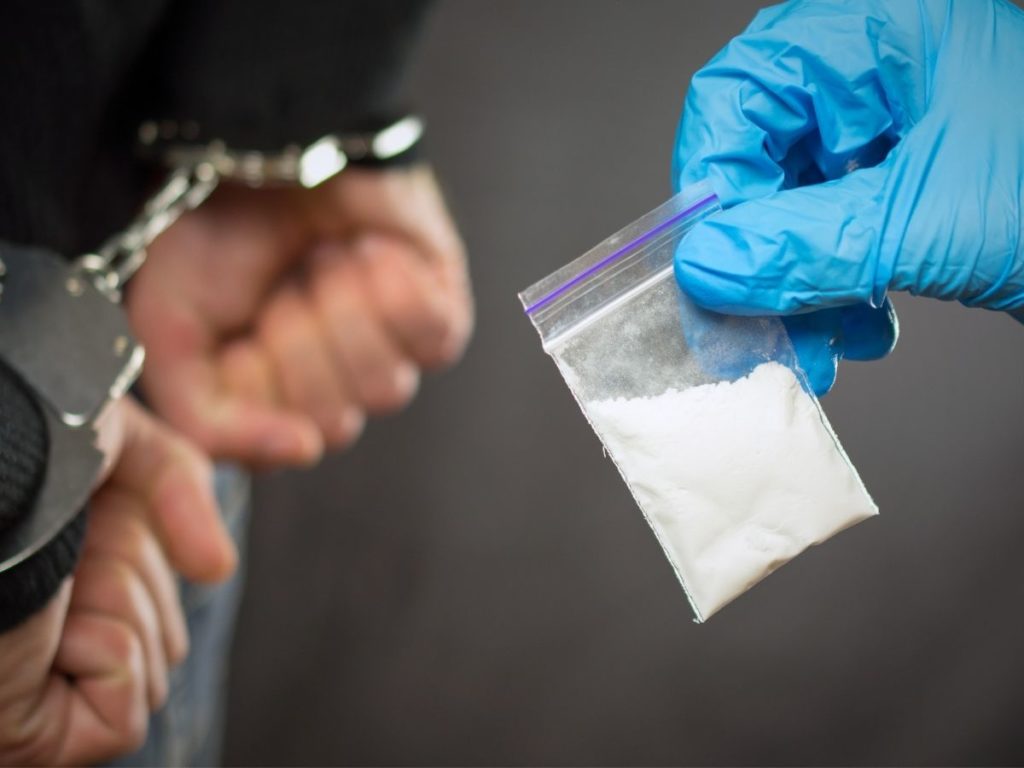
Many people wonder, is cocaine an amphetamine? Both drugs are stimulants, which means they can make you feel more awake, alert, and full of energy. Because they have similar effects, it is easy to think they are the same.
However, cocaine and amphetamines are different drugs that affect the brain and body in different ways. Both can be dangerous and may lead to addiction, overdose, and other health problems.
If you or someone you love is struggling with stimulant use, understanding these differences can help you make safer choices and know when to seek help. At We Level Up Texas, we help people learn about addiction and find treatment that supports long-term recovery.
Skip to:
Is Cocaine an Amphetamine?
No, cocaine is not an amphetamine. Both drugs are stimulants, but they are different substances. They affect the brain in similar ways, yet they come from different sources and work differently in the body.
Cocaine comes from the coca plant. It can make a person feel more awake, energetic, and confident. The effects happen fast, but they do not last very long. This can cause some people to take more of the drug.
Amphetamines are made in a lab. Some are used as prescription medicines for conditions like ADHD. Like cocaine, they can increase energy and focus. However, amphetamines usually stay in the body longer than cocaine.
Even though these drugs are different, they both raise dopamine levels in the brain. Dopamine is a chemical linked to pleasure and reward. This is one reason why both drugs can be highly addictive.
Using cocaine or amphetamines over time can lead to serious problems. People may develop addiction, have trouble sleeping, feel anxious, or face heart-related health issues. The risk often grows as drug use continues.
Professional treatment is important because addiction affects more than willpower. Many people need support to stop using drugs and stay in recovery. Treatment can help people manage cravings, learn healthy habits, and build a better future.
According to the National Institute on Drug Abuse, about 4.8 million people in the United States aged 12 or older used cocaine in the past year in 2023. This statistic shows that cocaine use is still common and that many people may need help for stimulant misuse and addiction.
Signs You May Need Help for Stimulant Use
- Using cocaine or stimulants more often than planned
- Feeling unable to stop using the drug
- Strong cravings for cocaine or amphetamines
- Mood swings or irritability without the drug
- Trouble sleeping or eating normally
- Poor focus or memory problems
- Health or relationship problems caused by use
Recognizing these signs is an important first step. Contact (713) 250-8880 today to learn about your treatment options and start building a healthier future.
Why Choose We Level Up Texas for Stimulant Addiction Treatment?
We Level Up Texas helps people who struggle with stimulant drug use, like cocaine and amphetamines. Many people feel scared or confused when they try to stop using drugs on their own. The center provides a safe, calm place to begin healing. Patients are treated with care and respect from the first day. Doctors and nurses help guide each step of recovery in a simple and safe way. Every person gets a plan that fits their own needs and health.
The team uses both medical care and therapy to help people recover. Medical staff help manage withdrawal symptoms and keep patients safe. Therapists teach new ways to handle stress and avoid drug use. Patients also join group sessions where they can share and learn from others. Family support is also included to help with healing at home. The goal is not just to stop drug use, but to build a healthy life. We Level Up Texas focuses on long-term recovery, not quick fixes. With support, people can feel stronger, think more clearly, and live without drugs.
Ready to get started? Call (713) 250-8880 or email verifyadmissions@welevelup.com today. A better life is waiting for you.
What to Expect During Stimulant Addiction Treatment?
Treatment for stimulant use at We Level Up Texas begins with a simple health check. Doctors and nurses ask easy questions about drug use, health history, and daily life. This helps them understand what kind of care each person needs. A safe and clear plan is then made for recovery. The goal is to make sure each patient feels safe, calm, and supported from the start. Staff explain everything in simple words so patients know what will happen next.
The next step may include detox, which helps the body remove drugs safely. Medical staff watch patients closely during this time to keep them comfortable. Some people may feel tired, sad, or anxious, but support is always available. After detox, therapy begins to help the mind and emotions heal. Patients attend one-on-one counseling and group sessions. These talks help them understand triggers, stress, and drug use patterns. They also learn healthy coping skills for daily life.
As treatment continues, patients build new habits and stronger routines. They learn how to manage stress without using drugs. Support groups and therapy help them stay focused and motivated. Family members may also join sessions to learn how to help at home. Over time, patients gain confidence and feel more in control of their lives. The goal is to help each person recover fully and live a healthy, drug-free life.
Benefits of Treatment for Stimulant Addiction
- Safe medical detox and monitoring
- Therapy for addiction and mental health
- Personalized treatment plans
- Relapse prevention education
- Improved emotional and physical health
How to Get Started With Stimulant Addiction Treatment
Getting help for stimulant addiction may feel hard, but you do not have to face it alone. If you or someone you love is struggling with cocaine, amphetamines, or other stimulants, support is available. Call (713) 250-8880 to learn about treatment options and get answers to your questions. You can also check your insurance coverage and schedule a private consultation. Treatment can help you stop using drugs, build healthy habits, and work toward a better future. Recovery starts with one simple step. Reach out today to learn more about your options and begin your path to a healthier, drug-free life.
FAQs About Is Cocaine an Amphetamine
Is cocaine an amphetamine?
No, cocaine is not an amphetamine. Cocaine is a natural stimulant, while amphetamines are synthetic drugs. They belong to the same drug category but are chemically different.
What is the main difference between cocaine and amphetamine?
The main difference is in origin. Cocaine comes from a plant, while amphetamines are made in labs. They also differ in how long their effects last.
What is the stimulant drug classification of cocaine and amphetamine?
Both are classified as stimulant drugs and are Schedule II substances due to high abuse potential and risk of addiction.
What is the cocaine vs amphetamine comparison?
Cocaine acts quickly and wears off fast. Amphetamines last longer. Both increase energy and alertness but differ in chemical structure.
What are the differences?
Stimulants differ in origin, duration, and chemical makeup. Some are natural, others synthetic. All can lead to dependence if misused.
What is the type of cocaine?
Cocaine is a natural central nervous system stimulant that increases dopamine levels and energy.
Can cocaine and amphetamines lead to addiction?
Yes, both cocaine and amphetamines can lead to addiction when used repeatedly. These drugs change how the brain feels pleasure and energy. Over time, the brain may depend on them to feel normal. This can make it hard to stop using them without help. Treatment and support can help people recover safely.
Is treatment available for stimulant drug addiction?
Yes, treatment is available for stimulant drug addiction. Doctors, nurses, and therapists can help people stop using these drugs safely. Treatment may include medical care, counseling, and support groups. These programs help people rebuild healthy habits and improve mental health. With proper care, recovery is possible for many people.
Sources
National Institute on Drug Abuse (NIDA) – Reported Drug Use Among Adolescents Continued to Hold Below Pre-Pandemic Levels in 2023 – https://nida.nih.gov/news-events/news-releases/2023/12/reported-drug-use-among-adolescents-continued-to-hold-below-pre-pandemic-levels-in-2023
National Center for Biotechnology Information (NCBI) – Amphetamine Toxicity (StatPearls) – https://www.ncbi.nlm.nih.gov/books/NBK576548/
We Level Up Texas – What Is Cocaine Made Out Of? – https://weleveluptx.com/what-is-cocaine-made-out-of/
We Level Up Texas – How Long Do Amphetamines Stay in Your System? – https://weleveluptx.com/how-long-do-amphetamines-stay-in-your-system/
We Level Up Texas – Amphetamine Addiction – https://weleveluptx.com/amphetamine-addiction/