Bringing a baby home can feel exciting, but it can also feel heavy. Many parents expect joy right away, but instead feel sad, tired, or overwhelmed. This is where postpartum depression can show up. It’s more than a rough day; it’s a real mental health condition that needs care and support.
At We Level Up Texas, we help mothers and families manage postpartum mental health in a safe, caring space. This guide breaks down what postpartum depression looks like, how to spot it, and what treatment can do to help you feel like yourself again.
Table of Contents
What Is Postpartum Depression?
Postpartum depression is a maternal mental health disorder postpartum that happens after childbirth. It affects mood, energy, and daily life. It can begin days or even months after giving birth.
This is not the same as the “baby blues.” Baby blues usually last a few days and go away on their own. Postpartum depression lasts longer and feels stronger. It can make it hard to care for yourself or your baby.
It can affect:
- First-time moms
- Moms with multiple children
- Adoptive parents
- Partners in some cases
Hormone changes, lack of sleep, stress, and past mental health issues can all play a role.
According to the American Psychiatric Association, about 1 in 5 women experience mental health conditions related to pregnancy or postpartum periods, showing how common this condition really is.
Postpartum depression can also happen alongside anxiety or substance use, which makes professional support even more important.
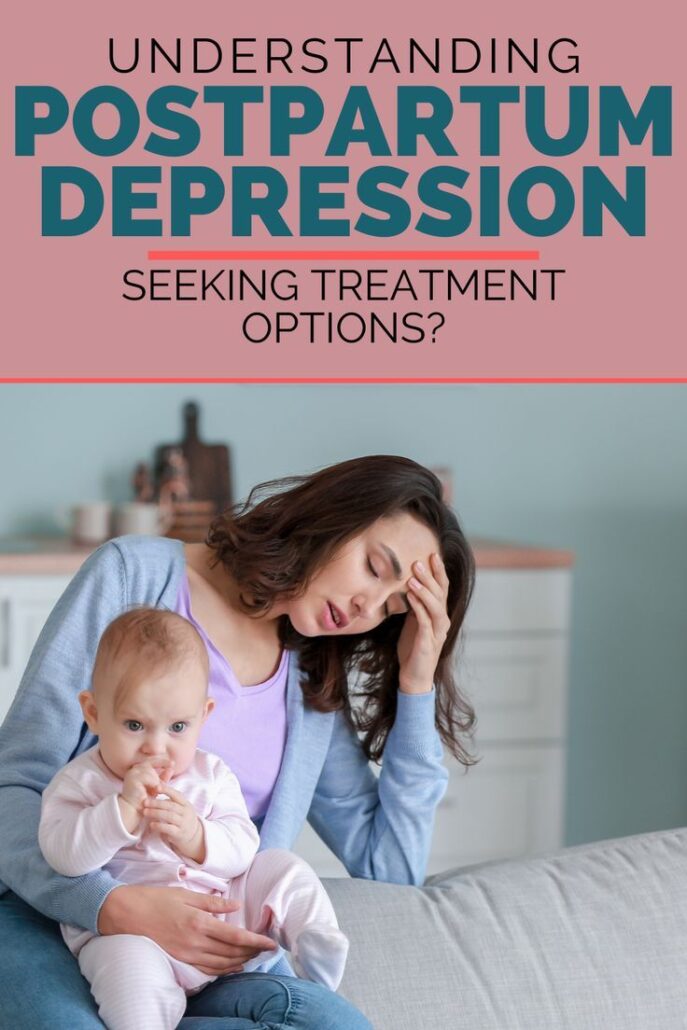
Signs You May Need Postpartum Depression Help
Not every bad day means depression. But when symptoms stick around or get worse, it’s time to look closer.
Here are common after birth depression signs:
- Feeling sad, empty, or hopeless most of the day
- Crying often without a clear reason
- Trouble bonding with your baby
- Losing interest in things you used to enjoy
- Sleeping too much or not being able to sleep at all
- Feeling angry, irritated, or on edge
- Having scary or unwanted thoughts
These symptoms can sneak in slowly or hit hard all at once. When they don’t go away, support matters.
Why Choose We Level Up Texas for Postpartum Depression Treatment?
Getting help feels easier when you know where you’re going. At We Level Up Texas, care is built around comfort, safety, and real results.
Here’s what makes this center stand out:
- Licensed and accredited care with onsite detox and mental health services
- Full support for both mental health and substance use (dual diagnosis)
- A team of doctors, therapists, and nurses who understand postpartum care
- Personalized treatment plans; no one-size-fits-all approach
- Evidence-based therapy like CBT and DBT
- Group sessions that help you feel less alone
- A calm, private setting designed for healing
Ready to get started? Call (713) 250-8880 or email verifyadmissions@welevelup.com today. A better life is waiting for you.
What to Expect During Postpartum Depression Treatment
Starting treatment can feel unknown, but knowing the steps helps ease that stress.
1. Assessment
Treatment begins with a full evaluation to understand what’s going on. This includes a review of your mental health history, current symptoms, sleep patterns, and emotional state. The goal is to get a clear picture so the care team can build a plan that fits your exact needs, not a generic one.
2. Stabilization and Support
Next, the focus shifts to helping you feel more balanced. You’ll get steady emotional support from trained staff, along with help regulating sleep and mood. If needed, medication may be introduced carefully and monitored closely to make sure it’s working well for you.
3. Therapy and Skill Building
This stage is where deeper healing starts. You’ll work with a therapist to understand your thoughts, emotions, and triggers. Sessions may include one-on-one therapy and group support, where you can connect with others going through similar experiences. You’ll also learn simple tools to manage stress, anxiety, and mood changes.
4. Holistic Healing
Healing isn’t about thoughts; it’s about your whole body. This stage focuses on improving sleep habits, nutrition, and daily routines. Small lifestyle changes can help restore energy levels and make each day feel more manageable.
5. Aftercare and Relapse Prevention
Before completing treatment, you’ll have a clear plan for what comes next. This may include ongoing therapy, support groups, and check-ins. The goal is to help you stay stable, handle challenges, and keep the progress you’ve made moving forward.
Benefits of Treating Postpartum Depression
Getting support can change daily life in real ways.
Here’s what treatment can improve:
- More stable mood and fewer emotional swings
- Stronger connection with your baby
- Better sleep and more energy
- Less anxiety and fewer racing thoughts
- Healthier relationships at home
- More confidence in handling daily tasks
Small improvements build over time and make a big difference.
FAQs About Postpartum Depression
How common is postpartum depression?
Postpartum depression is more common than most people think. Many new mothers experience it, even if they don’t talk about it. Studies show that about 1 in 5 women deal with mental health issues during or after pregnancy. That means many families are going through the same thing at the same time. Knowing this can help reduce shame and make it easier to look for support when symptoms begin.
How long does postpartum depression last?
The length of postpartum depression varies. Some people deal with it for a few months, while others may struggle for a year or longer. Without treatment, symptoms can stick around and even worsen. With proper care, many start to feel better within weeks. Early treatment often leads to faster recovery and better long-term outcomes.
What are the postpartum depression symptoms and treatment options?
There are several ways to treat postpartum depression. Therapy is often the first step.Cognitive behavioral therapy (CBT) helps change negative thought patterns. Medication may also be used, depending on symptoms. In more serious cases, inpatient programs offer structured support. A mix of therapy, support, and healthy routines often works best for long-term recovery.
Can postpartum depression go away on its own?
Sometimes mild symptoms fade, but true postpartum depression rarely goes away without help. Waiting it out can make symptoms stronger and harder to manage. Over time, it can affect relationships, parenting, and overall health. Treatment helps shorten the duration and reduce the impact. Getting support early often leads to better results.
Is medication safe while breastfeeding?
Some medications are considered safe during breastfeeding, but this depends on the type and dosage. A medical provider can review options and explain what works best for both parent and baby. In many cases, the benefits of treating postpartum depression outweigh the risks. Every situation is different, so it’s important to have a clear plan with a doctor.
How is postpartum depression different from baby blues?
Baby blues usually show up within the first few days after birth and fade within two weeks. Symptoms are mild and manageable. Postpartum depression lasts longer and feels more intense. It can interfere with daily life and requires treatment. Knowing the difference helps people recognize when it’s time to get help.
How to Get Started with Postpartum Depression Treatment
Getting help doesn’t have to be complicated. It starts with a simple conversation.
At We Level Up Texas, the admissions team walks you through every step:
- Call (832) 234-9960
- Check your insurance coverage
- Schedule a private consultation
There’s no need to keep pushing through difficult days without support. Real help exists, and it works. Treatment can bring back balance, clarity, and a sense of control that feels lost.
Ready to get started? Call (713) 250-8880 or email verifyadmissions@welevelup.com today. A better life is waiting for you.