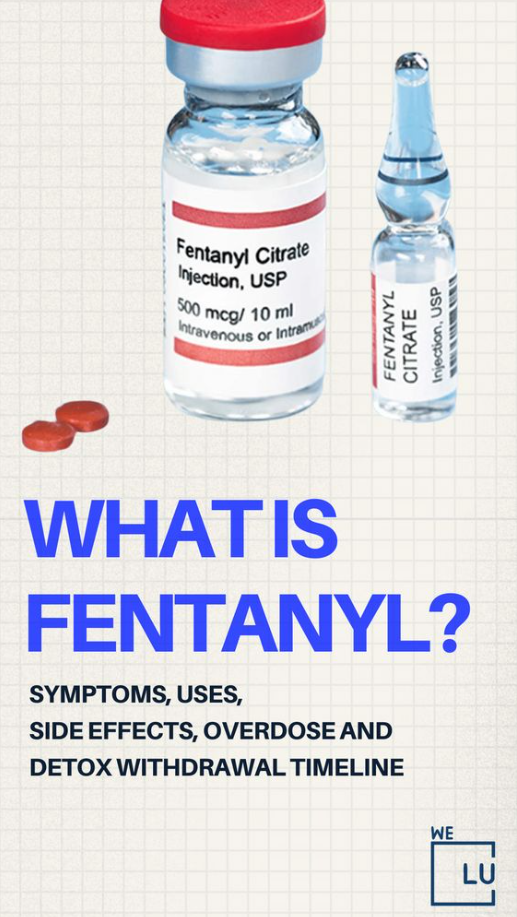
Fentanyl withdrawal can feel very scary and hard for people with opioid dependence and addiction. Many people have strong cravings and painful physical symptoms in early recovery. Emotional distress is also very common during this time.
Without care, these opioid withdrawal symptoms can raise relapse risk and affect daily life. They can also harm overall health over time. It is important to know what will happen and how to detox from fentanyl safely for long-term recovery.At We Level Up TX, we give medically supervised care, kind support, and treatment plans to help you heal and stay in recovery.
Table of Contents
How Long Is the Fentanyl Withdrawal Timeline?
The fentanyl detox timeline often starts within hours after the last dose. Then, it peaks within 72 hours.
Early fentanyl withdrawal symptoms can begin within 8 to 24 hours after stopping use. This depends on the level of physical dependence. People may feel anxiety, a runny nose, sweating, and strong cravings. These happen because the body is changing. These physical symptoms can get worse fast. This is why early medical supervision is very important. Without help, many people relapse to stop the pain, which raises the risk of overdose deaths.

The next stage peaks around 72 hours. This is when symptoms of fentanyl are the strongest. People may have nausea, vomiting, muscle pain, insomnia, and mood swings. These opioid withdrawal symptoms can affect eating, drinking, and mental health. Medical professionals must watch closely to keep the person safe and stable.
After this peak, symptoms slowly get better over a few days. Still, some effects may last for weeks. People may feel tired, sad, or have sleep problems. They may also have cravings from substance use disorders.
Even if symptoms feel less strong, the risk of relapse stays high. Strong support and relapse prevention are still needed. Ongoing treatment helps people stay stable and avoid using fentanyl again.
Some people have long-term withdrawal, called protracted withdrawal. Symptoms may come and go for weeks or months after detox. These can include anxiety, low energy, and poor sleep. This can affect daily life and recovery progress. Therapy and outpatient programs help manage these issues and support change. Long-term care helps prevent relapse.
Professional treatment is very important because fentanyl is very strong. It can cause physical dependence quickly. Medically detoxing in a safe place helps manage symptoms and gives emotional support. Medical professionals may give medications to reduce pain and cravings. This care makes detox safer and more effective.
The CDC says opioid overdose is a leading cause of death in the United States. This shows why early treatment and medical supervision are so important. Good treatment plans can lower risks and improve recovery. Getting help early can save lives.

Signs You May Need Fentanyl Withdrawal Treatment
- Strong cravings and cannot stop fentanyl use
- Severe opioid withdrawal symptoms like nausea and sweating
- Physical dependence and needing more drugs over time
- Runny nose, anxiety, and insomnia between doses
- Trouble with work, school, or relationships
- Failed attempts to quit without medical supervision
- Risky behaviors or past opioid overdose
Fentanyl Why Choose We Level Up TX for Fentanyl Withdrawal Treatment
We Level Up TX gives full, evidence-based care for fentanyl withdrawal recovery. We offer 24-hour monitoring to keep patients safe during medical detoxification. Our medical professionals and therapists build treatment plans for each person’s needs. This helps improve results and lower relapse risk.
We provide therapy, group support, and programs for substance use disorders. We also treat mental health issues with dual diagnosis care. Patients stay in a safe and structured place with caring staff. After detox, outpatient programs help continue recovery and support long-term success.
We focus on relapse prevention by teaching coping skills and stress control. Patients learn to manage triggers and reduce cravings. We help rebuild healthy habits and relationships. Our caring team supports every step of recovery.
What to Expect During Fentanyl Withdrawal Treatment
Fentanyl withdrawal treatment starts with a full check by medical professionals. This includes health history, drug use, and mental health needs. This helps create the best treatment plans. It also makes medically detoxing safe and effective.
During detox, patients get 24-hour medical supervision. Staff help manage symptoms and keep the body stable. Medications may help reduce cravings and pain. Doctors and nurses check health often during this time.

Therapy starts early to help with emotions and behavior. Patients join counseling and group sessions. These help people understand triggers and build coping skills. Emotional healing helps stop relapse.
After detox, patients move to more care, like inpatient or outpatient programs. These programs give support, therapy, and relapse prevention. Patients build routines and stay sober longer. Ongoing care improves success.
Relapse prevention is a key part of treatment. Patients learn to handle stress and avoid triggers. They also build strong support systems. These skills help people stay sober after treatment.
Benefits of Fentanyl Withdrawal Treatment
- Medically supervised detox for safety
- Personalized treatment plans
- Support from trained medical professionals
- Care for mental health and addiction
- Strong relapse prevention tools
How to Get Started with Fentanyl Withdrawal Treatment
Starting fentanyl withdrawal treatment means asking for help from trained medical professionals. They understand your needs and recovery goals. A simple phone call can help you learn about your treatment option and what steps come next.
You can also check your insurance, ask questions, and set up a full assessment quickly and easily. Help is always ready when you need it most, and you do not have to face this process alone.
If you or a loved one has fentanyl withdrawal, We Level Up TX is here to support you. We provide twenty-four hour care, personalized treatment plans, and strong support for recovery. Call (713) 250-8880 today to speak with a caring expert and begin your healing journey.
FAQs About Fentanyl Withdrawal
What are the most common fentanyl withdrawal symptoms?
Fentanyl withdrawal symptoms include nausea, sweating, muscle pain, anxiety, and cravings. Many people also have runny nose, insomnia, and mood swings. These opioid withdrawal symptoms can change based on physical dependence and drug use. Medical supervision helps keep people safe during detox.
How long does fentanyl withdrawal last?
The fentanyl detox timeline starts within hours and peaks within 72 hours. Most symptoms get better in a few days, but some may last weeks. This depends on health and drug use. Treatment helps make recovery easier.
Is it safe to detox from fentanyl at home?
Detoxing at home can be unsafe. Symptoms can be severe, and relapse risk is high. Without medical supervision, people may face serious health problems. Medically detoxing in a safe place is the best choice.
What medications are used during fentanyl withdrawal treatment?
Doctors may give medications to reduce cravings and pain. These work on the opioid receptor to help the body adjust. This makes fentanyl withdrawal easier. Medical professionals guide safe use.
Why is fentanyl withdrawal so intense compared to other opioids?
Fentanyl withdrawal is very strong and affects the opioid receptor quickly. This causes fast physical dependence. When use stops, symptoms become very strong. Treatment helps manage these effects safely.
Can fentanyl withdrawal cause long-term health effects?
Some people have long-term emotional symptoms like anxiety or sleep problems. These can last after detox. Therapy and outpatient programs help manage these issues. Ongoing care supports recovery.
What role does therapy play in fentanyl withdrawal recovery?
Therapy plays a critical role in treating fentanyl withdrawal symptoms and causes. It teaches coping skills and helps avoid triggers. Therapy is key for long-term recovery.
How can I prevent relapse after fentanyl withdrawal treatment?
Relapse prevention needs support and good habits. Patients should join outpatient programs and therapy. Learning to handle stress helps prevent relapse. Support keeps recovery strong.